


How to Reduce Drying Time | Wool Dryer Balls | Clean Guy


Minutes are money
Dry faster.
Every load.
Most dryers run long because wet fabric clumps and hot air cannot move through it. Wool balls fix the physics. Habits fix the rest.
Shop the lineup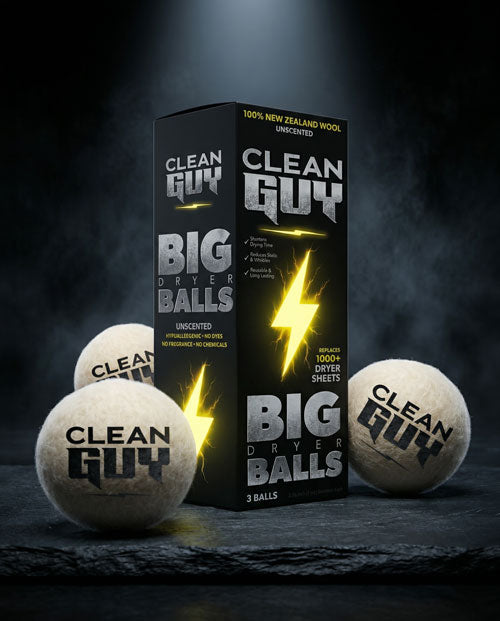
The short answer
The fastest way to reduce drying time is improving airflow through the load: wool dryer balls physically separate fabric layers as the drum turns, while a strong washer spin, a clean lint screen, and right-sized loads remove the other common bottlenecks.
Updated June 2026
The physics of a slow dry
Wet fabric clumps. Clumped fabric blocks airflow, and a dryer without airflow is just a warm box on a timer. Big Dryer Balls work by physically separating layers as the drum turns, letting hot air move through the load instead of around it. They are 100% New Zealand wool, reusable load after load, and they reduce static and wrinkles while they are at it.
The supporting habits
Run a strong spin cycle on the washer so clothes enter the dryer carrying less water. Do not overstuff the drum, since drying needs space even more than washing does. Clean the lint screen every load, and separate heavy items like towels from light shirts so the lights are not held hostage by the heavies.
Worth knowing why the wash side matters here too: residue is drag. Detergents that leave softener film in fabric slow evaporation, which means longer cycles regardless of what is in the dryer with them. A no-residue wash gives the dryer clean fiber to work with, wool balls keep that fiber separated and exposed to airflow, and a right-sized load gives everything room to tumble. Stack those three and you are reliably pulling loads out earlier, with the energy savings compounding every week.
Where the minutes actually go
A dryer spends its energy on two jobs, heating water out of fabric and moving the vapor away, and the second job is where most machines lose. Clumped wet fabric is functionally a single thick object: the outside dries while the core stays soaked, and the cycle runs until the core surrenders. Separation is the entire game. New Zealand wool balls tumbling through the load keep layers apart so hot air reaches everything at once, which is why the same load in the same machine finishes noticeably sooner. The energy bill keeps the score.
Mistakes that stretch every cycle
Slow drying is usually a stack of small self-sabotages. The lint screen cleaned occasionally instead of every load, taxing airflow on each cycle. The towel smuggled into a shirt load, holding everything hostage to the wettest item. The washer's quick spin chosen by default, sending pounds of extra water into the dryer's job. The overstuffed drum, where clumped fabric dries from the outside in. And the vent line nobody has checked since move-in, quietly strangling the machine. Wool balls fix the separation problem mechanically, but the rest is two minutes of habit: screen every load, max spin, split heavy from light, and the same dryer finds twenty minutes it never knew it had.
The fast-dry setup
- Max spin in the washerEvery drop the spin removes is a drop the dryer never heats.
- Balls in, screen cleanWool balls for separation, a clear lint screen for airflow.
- Split heavy from lightTowels hold the lights hostage. Two quick loads beat one long one.
At a glance
| Main bottleneck | Airflow through clumped wet fabric |
|---|---|
| Mechanical fix | Wool dryer balls separating layers in motion |
| Washer assist | Highest spin setting before transfer |
| Maintenance | Lint screen every load, vent line yearly |
| Load design | Heavy and light fabrics dried separately |
Shop the lineup
Get it done
Big Dryer Balls
100% NZ wool
Reduces drying time, static, and wrinkles. Replaces 1000+ disposable sheets.
Shop now
Laundry Detergent + Dryer Sheets
The flagship 2-in-1
100 ultra-concentrated loads plus 100 dryer sheets in one bottle. Four scent profiles.
Shop now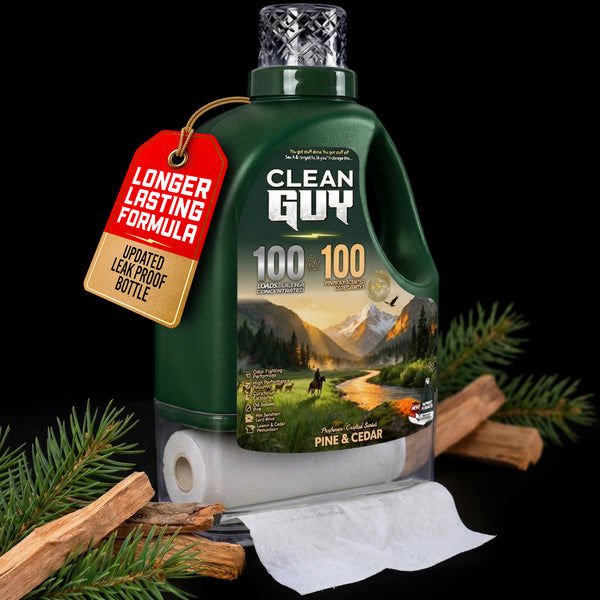
Pine & Cedar Detergent
The signature
Crisp forest pine over warm cedarwood. 100 loads, 100 dryer sheets built in.
Shop nowQuestions, answered
Good to know
Do wool dryer balls really reduce drying time?
Yes. They separate fabric layers as the drum turns, which improves airflow through the load, the main constraint on drying speed.
How many dryer balls should I use?
Use multiple balls per load so separation happens throughout the drum. Clean Guy Big Dryer Balls come in 3-packs and a 6-pack for large loads.
Why do my clothes take so long to dry?
Usually overstuffing, a clogged lint screen, or a weak washer spin leaving clothes too wet. Fix those three and add dryer balls for airflow.
How many wool balls per load?
Run several so separation happens throughout the drum, not in one corner. The Clean Guy 6-pack covers large and bedding loads properly.
My dryer takes two cycles for towels. Broken?
Usually not. Towels arrive heavy with water. Max the washer spin, dry towels as their own load with wool balls, and check the vent line before blaming the machine.
Break up with Big Laundry
100 loads. 100 built-in dryer sheets. One bottle that does both jobs. Free shipping on orders over $49.
Shop the lineup