


Laundry in Hard Water | Detergent Tips | Clean Guy


Mineral warfare
Hard water.
Handled.
Stiff towels, dingy whites, and detergent that never seems enough. Hard water minerals fight your wash. The right routine fights back.
Shop the lineup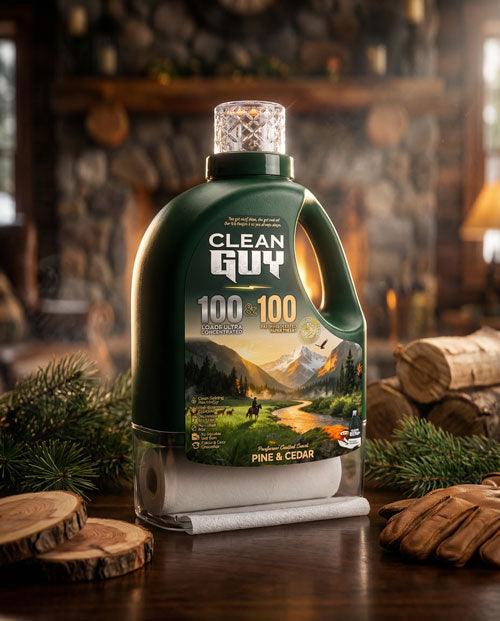
The short answer
Hard water minerals bind with detergent before it can clean, leaving clothes stiff, dingy, and under-washed. The countermeasures are a concentrated low-suds liquid formula, dosing toward the heavier end of guidance, full-rinse load sizes, and periodic empty hot cycles to clear machine buildup.
Updated June 2026
What hard water does to laundry
Hard water carries dissolved calcium and magnesium, and those minerals interfere with cleaning: they bind with detergent before it can work, leave deposits that stiffen fabric, and dull colors over time. If your towels feel like cardboard and your detergent never seems to rinse fully, your water is the suspect, not your machine.
The hard water routine
Use a concentrated, low-suds formula and dose to the heavier end of the guidance for your load, since minerals consume cleaning power first. Avoid overloading so fabric can rinse fully. Liquid detergent generally handles hard water better than powder, which can leave mineral-bound residue. If problems persist, your machine may benefit from a periodic empty hot cleaning cycle to clear buildup.
The practical test is simple: if towels come out stiff, whites look gray after a few months, and detergent never seems to rinse fully, hard water is the likely suspect. A low-suds, no-residue formula gives you the cleanest available outcome at the machine level because there is less left behind for minerals to bind to. Dose with the cap line rather than free pouring, since overdosing in hard water compounds the residue problem instead of solving it, and run heavy items like towels on the longer rinse when your machine offers one.
Knowing your water
Most guys fighting laundry problems never check the one variable that explains them. Municipal water reports publish hardness numbers, and a cheap test strip settles it in thirty seconds. Above roughly seven grains per gallon, minerals are meaningfully taxing your detergent; well water often runs far past that. Once you know, the response is calibration rather than heroics: a modest dose increase, liquid over powder, and an occasional machine cleaning cycle. The point of testing is to stop guessing, because the stiff-towel problem and the dingy-white problem share one cause and one fix.
Mistakes hard-water households make
The instinctive responses to hard water are mostly wrong. Doubling detergent far past guidance creates a residue problem on top of the mineral one. Switching to powder seems thrifty but binds with minerals into the grit that stiffens fabric. Blaming the machine and replacing it moves the same water to a new drum. And adding scented softener to fight the dinginess coats deposits in instead of releasing them. The correct stack is unglamorous: a concentrated low-suds liquid, dosing modestly toward the heavy line, honest load sizes, and a quarterly empty hot cycle. Test the water once so you are calibrating to a number instead of a frustration.
The hard-water calibration
- Test once, know foreverA strip test or your utility's report tells you what you are dosing against.
- Dose to the heavier lineMinerals consume cleaning power first. Give the wash its margin.
- Clear the machine quarterlyAn empty hot cycle dissolves the buildup that re-deposits on fabric.
At a glance
| The culprits | Dissolved calcium and magnesium |
|---|---|
| Symptoms | Stiff towels, dingy whites, residue feel |
| Formula type | Concentrated low-suds liquid over powder |
| Dosing | Toward the heavier end of guidance |
| Machine care | Empty hot cleaning cycle every few months |
Shop the lineup
Get it done
Laundry Detergent + Dryer Sheets
The flagship 2-in-1
100 ultra-concentrated loads plus 100 dryer sheets in one bottle. Four scent profiles.
Shop now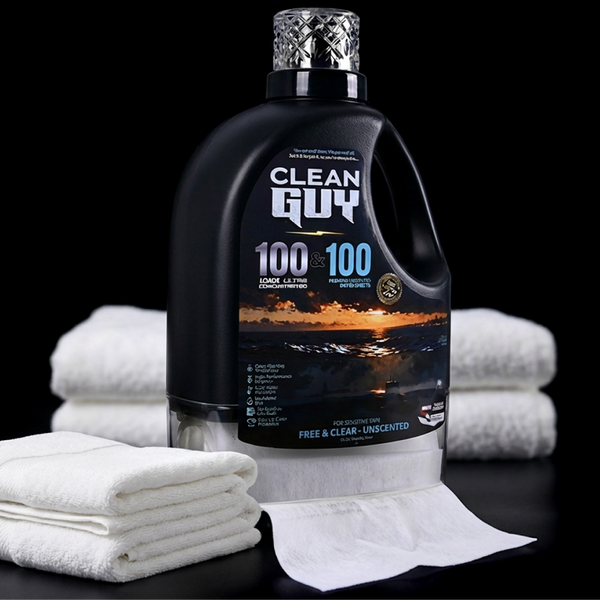
Free & Clear Detergent
Sensitive skin
No fragrance, no added dye, full 6-enzyme power. The clean with nothing extra.
Shop now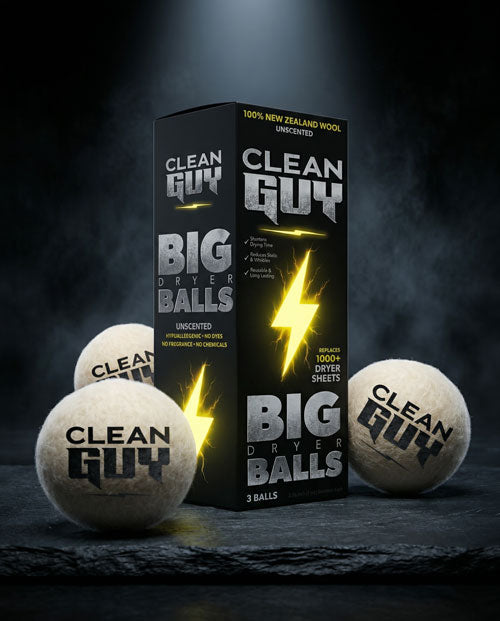
Big Dryer Balls
100% NZ wool
Reduces drying time, static, and wrinkles. Replaces 1000+ disposable sheets.
Shop nowQuestions, answered
Good to know
Why are my clothes stiff after washing?
Hard water minerals deposit on fabric and bind with detergent residue. A low-suds liquid formula, correct dosing, and full rinsing reduce the stiffness.
Do I need more detergent in hard water?
Often yes, modestly. Minerals consume part of the detergent's cleaning power, so dose toward the higher end of the guidance for soiled loads.
Is liquid or powder detergent better for hard water?
Liquid generally performs better, since powder can bind with minerals and leave residue on fabric and in the machine.
Does hard water ruin clothes permanently?
Mineral dulling is largely reversible. Several correctly dosed low-residue washes release accumulated deposits, and whites in particular recover noticeably.
Is a water softener worth it for laundry?
If hardness is severe, a softener fixes laundry, dishes, and plumbing at once. For moderate hardness, dosing and routine adjustments capture most of the benefit free.
Break up with Big Laundry
100 loads. 100 built-in dryer sheets. One bottle that does both jobs. Free shipping on orders over $49.
Shop the lineup